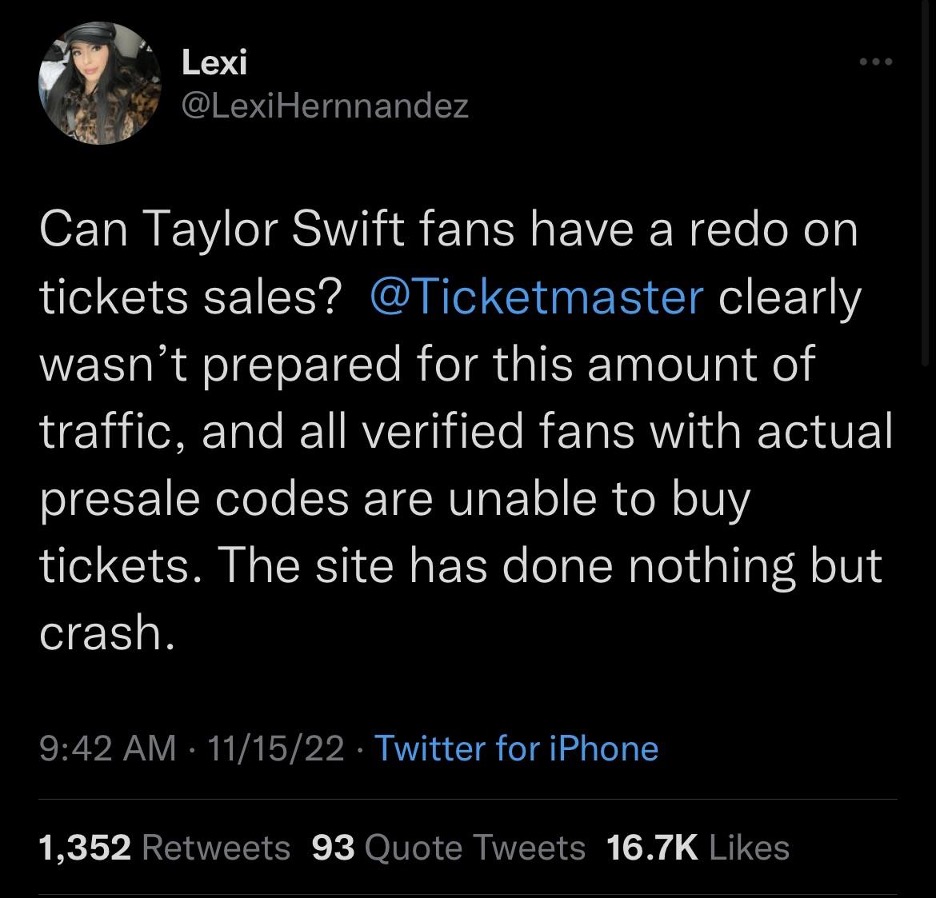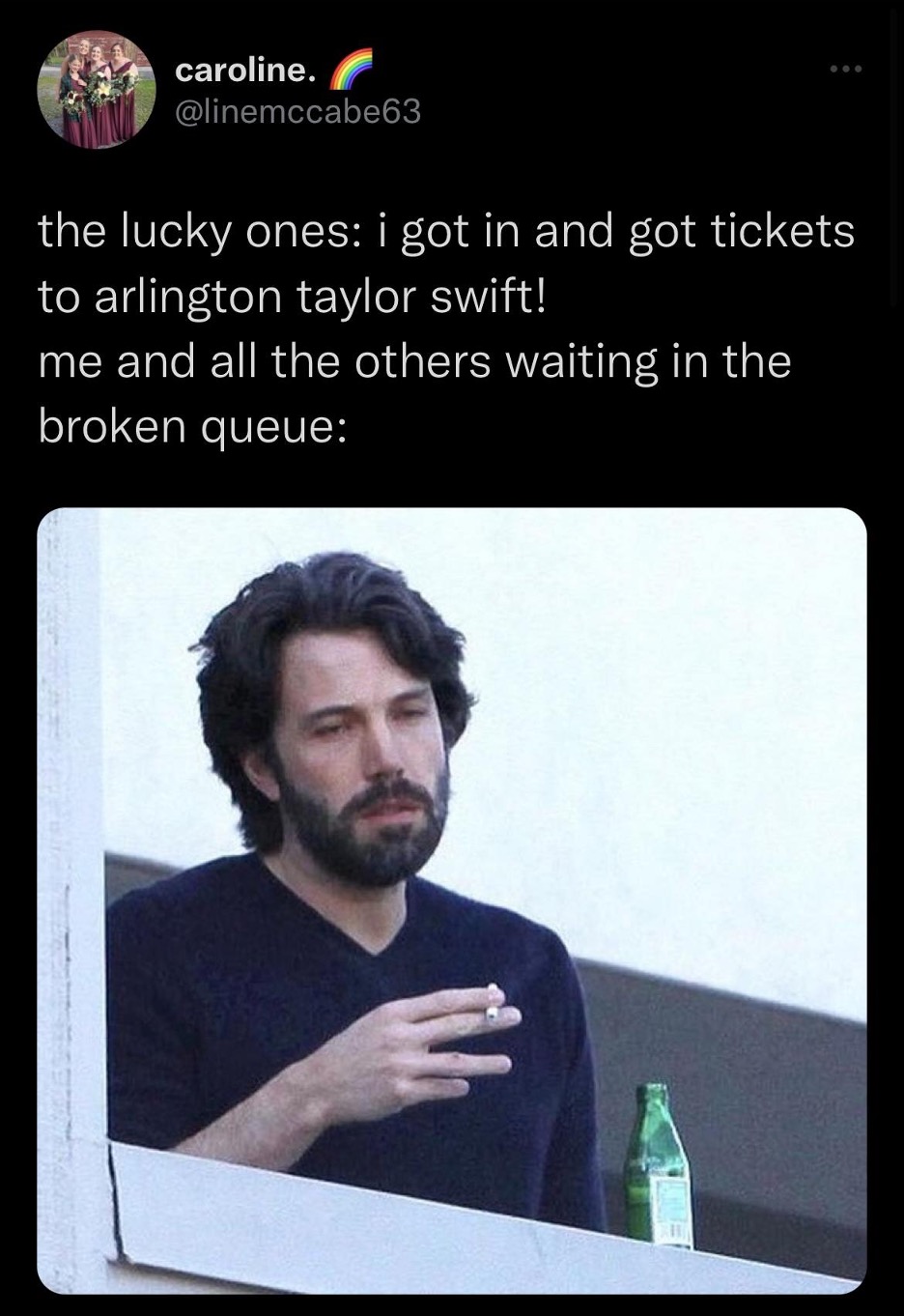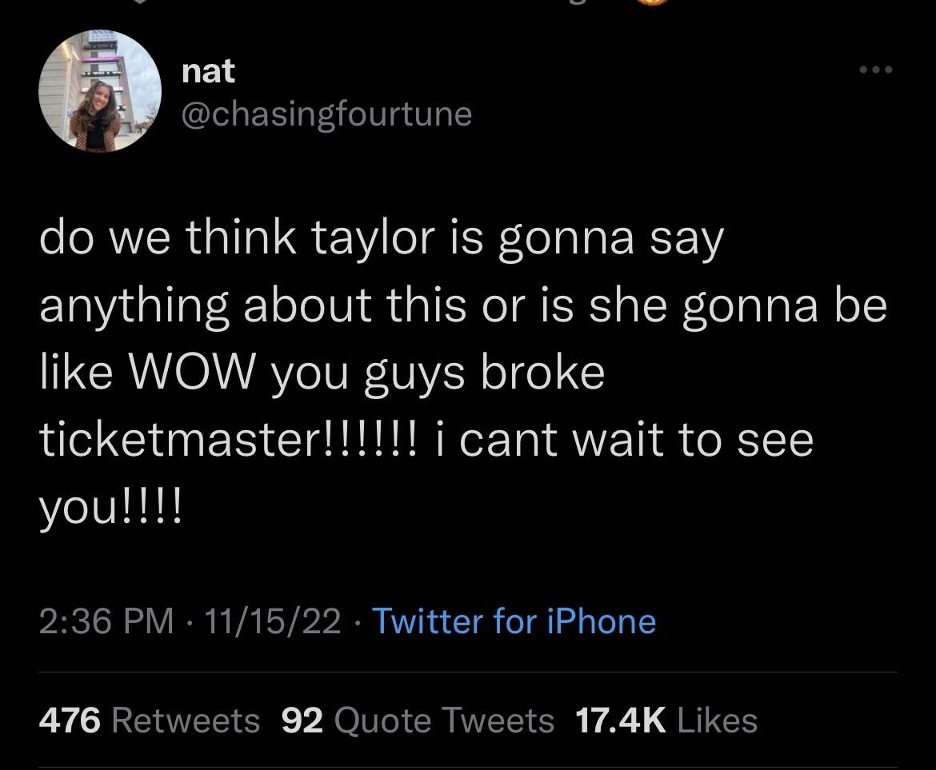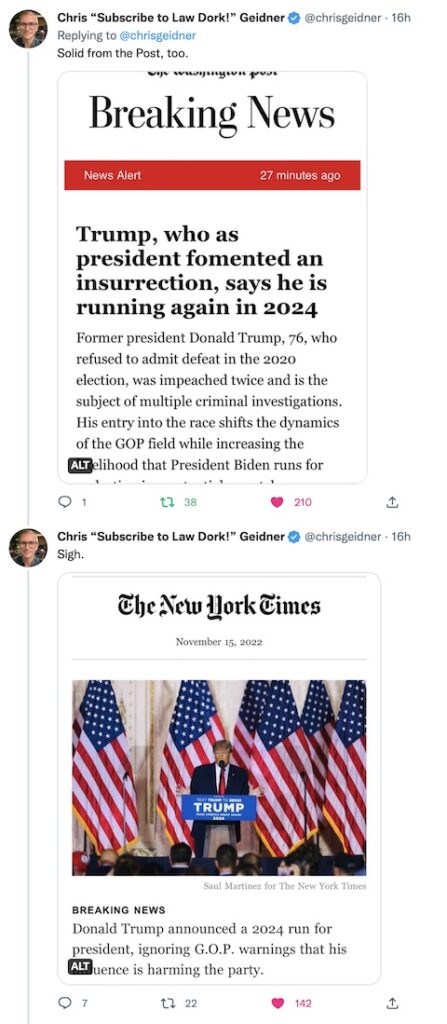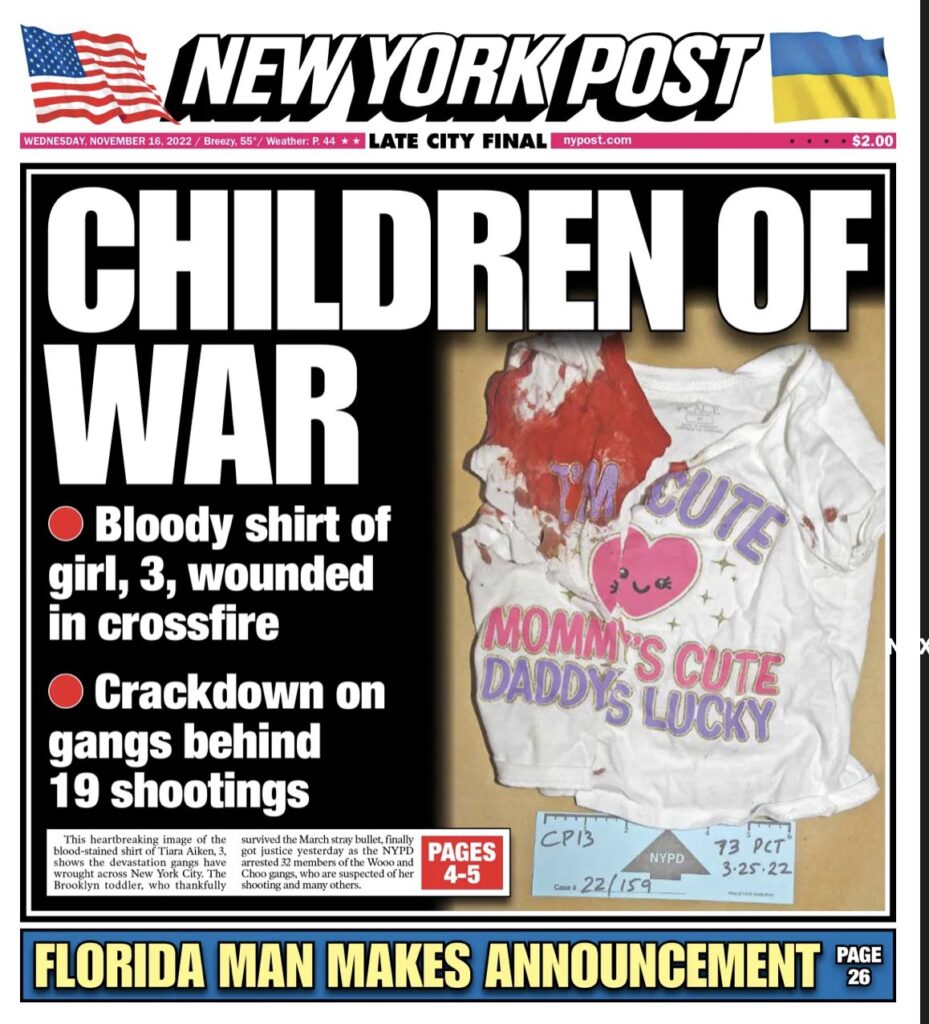
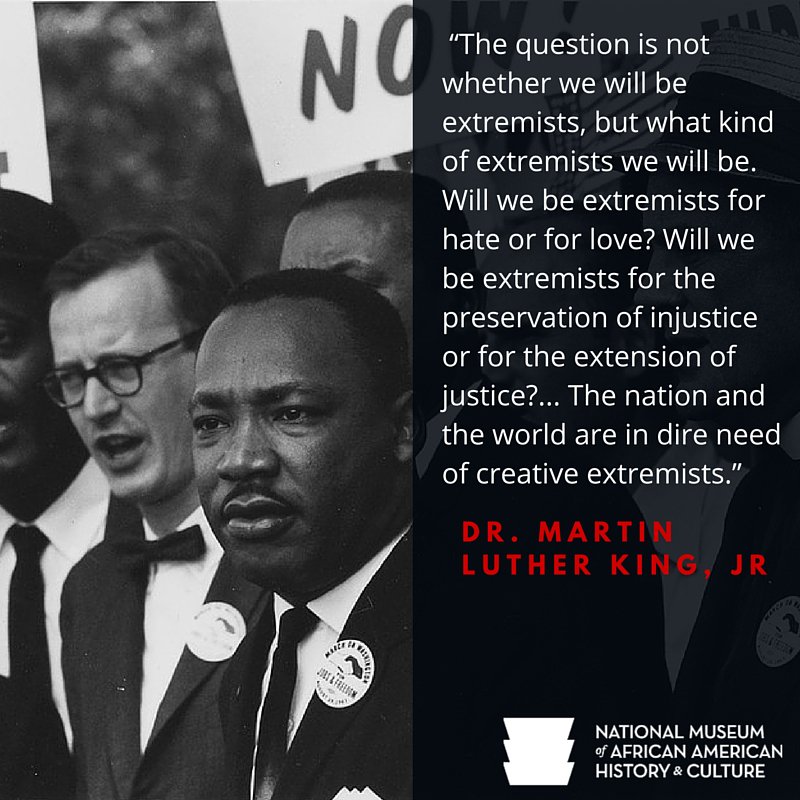
There’s been a bunch of great advice on Twitter over the last week about finding good resources online for media research. Here’s several examples.
How can I tell how often things are mentioned on cable news?
Wondering how often a name or topic shows up on cable news? Journalism students, you don’t need to guess about it – This WaPo story does it well using open access tools. https://t.co/yReLYIzGUZ
— RalphIsNow@rhanson40@threads.net (@ralphehanson) October 24, 2022
I have done lots of work looking at frequency of buzz words like “fake news” in print reporting, but I’ve not been sure on how to extend that to cable news. This story on conservative Texas Gov. Greg Abbott does a great job of showing how frequently he gets covered on cable news compared with Florida’s Gov. Ron DeSantis.
The reporters use the Television Explorer tool to produce reports from the Internet Archive’s Television News Archive. A great resource!
Does it feel like there are a huge number of political ads this election season?
Does it feel like there are crazy number of political ads out these this election season? That’s because there are! (Windfall for local TV in competitive markets…) via @WSJ
Pew Research is always a good place to look for information!
How can I use Wikipedia for research in a way that won’t get me an “F” on my paper?
Every professor I've ever had has always hammered this into us. Find one good source on Wikipedia and that'll take you down a rabbit hole of amazing scholarly articles that you never would have found otherwise.
Don’t use the text and analysis on Wikipedia; instead, take a look at the source list. There’s often something really good there to get started with. (But pay close attention to what the actual source is. There can be some stinkers.) But never, ever use Wikipedia itself as your source!
My original version of this post dates back to 2012. Here’s a refreshed version with working links.
Animations of Muybridge people-in-motion images: Note: Many of these contain some nudity.
Click on image for video. Will need to authenticate for age.
Edison Kinetoscopes:
Edison’s Boxing Cats – Yes there were cat videos as early as 1893!
Sandow the Strong Man
Serpentine Dances
Other Silents:
Lumiere Brothers – Babies Quarrel An early film from the French Lumiere Brothers. Edison got a lot of his ideas for his movie camera and projector from the work these two brothers did.
Edwin Porter’s The Great Train Robbery
Often considered to be the first multi-scene movie shot on location to tell a complete story. This 1903 silent really set the stage for all modern action movies with special effects (well, not so special…), a dance sequence, and a fairly significant body count.
Singin’ In The Rain – 1952 Although a fictional musical comedy, 1952’s Singin’ In The Rain gives a pretty good portrayal of what it was like working during the initial conversion from silent films to talking films.
There have been a number of Twitter threads lately asking for contrasting opinions on audiobooks v. paper books (and to a lesser degree, e-books). I find this a little strange, as they are clearly different media. But if you ask for opinions on Twitter, you will get them.
So, for example, we had this:
Do you get all the same benefits from audiobooks as print books?
Not a bad question. Here are some selected replies…
And there are, of course, people defending audiobooks
There are also folks who prefer one over the other for cognitive/physical reasons – which I would never argue with – printed books give them headaches, audiobooks are hard to focus on.
For me, I get very different benefits from printed books than audiobooks.
I listen to audio books the way lots of people watch television. I have them playing through my bluetooth headset whenever I’m doing things around the house, out walking, or traveling. I don’t think of audiobooks as an alternative form of reading; they are just great entertainment.
I got started on audiobooks, then known as Books on Tape, back in the late 1980s when I was commuting from Flagstaff, Arizona to Arizona State University in Tempe to earn my doctorate. Roughly 160 miles and one vertical mile each direction. Put in a lot of hours in the car. So I listened to what I could get from the public library. That was when I started listening to the Dick Francis horse racing world mysteries. And I also discovered the world of Jeeves and Wooster from P.G. Wodehouse. These were all fun entertainments.
But I also got to dive into some more serious things that I never would have considered if I weren’t looking at a limited number of tapes to choose from. The most notable one was British author Margaret Drabble’s The Garrick Year about the young woman Emma spending a year in Garrick where her husband would be acting. It’s a darkly comic novel about the nature of marriage, having an affair, and finding oneself that I would have never picked up under other circumstances, but it led me to read a number of Drabble’s other novels.
I still get audiobooks from the local public library, now downloaded online using the Libby app on my phone. Like many people do with favorite movies or TV shows, I return to favorite books in audio format with a favorite reader. I also buy them using the Audible app.
I recently completed listening to the entire Patrick O’Brian Master and Commander series on audiobooks read by the great Patrick Tull. (These books are set in the Napoleonic Wars era of the British Navy, and a complete reading of the series is known among fans as a “circumnavigation,” as in a “circumnavigation of the world” that happens at least once in the series. BTW, should you start the series, the books are available with two different readers. I strongly recommend Tull. I read the entire series in paper copies back when O’Brian was writing the latter books in the series.)
I also loved hearing the late Rene Auberjonois reading the Agent Pendergast novels from Douglas Preston & Lincoln Child. Auberjonois perfectly captures the New Orleans sensibilities of the world’s oddest FBI agent. Most recently, I’ve been listening to actor Andy Serkis reading The Hobbit and The Lord of the Rings. Serkis played Gollum in the LOTR movies, and he is a splendid voice actor.
So, no, I don’t see audiobooks as an equivalent of print books. When it comes to entertainment throughout the day, I find them vastly superior.
I have plenty of paper books I can sniff if I want to…
There is, of course, a lot of reading I do for work, not entertainment, and for that books with written text are far superior. But as much as I do enjoy collecting physical books, I almost always buy them as e-books if I can. I typically read e-books on my iPad Pro tablet where I can highlight passages and take notes as needed. I also don’t have to worry about where the books are among the myriad of overflowing bookcases in my home.
David French – The Dispatch
French is a center-right commentator and blogger for The Dispatch, a conservative newsletter that swings Never-Trump. He is also a contributing writer for The Atlantic, a podcaster, and an Iraq vet. You can follow him on Twitter.
Bret Stephens – NY Times I am not a fan of Stephens as I think he represents some of the worst tendencies of big-newspaper columnists to view themselves as much more important than they really are. He won the 2013 Pulitzer for commentary in 2013. He also got himself enmeshed in a stupid online fight with political science professor David Karpf that made Stephens look petty and made Karpf a much bigger deal online.
Mary Schmich – Chicago Tribune Winner of the 2012 Pulitzer for commentary. She wrote a “down-to-earth” column that deals with the people of her city for 29 years, retiring in 2021. She also wrote the journalistic comic strip Brenda Starr for many years. She is famous for a column she wrote that called for people to wear sunscreen. The column was an imaginary commencement address that was frequently attributed to Kurt Vonnegut. Another of her quotes has been incorrectly attributed to Eleanor Roosevelt.
Just because people are talking about something online doesn’t mean that something exists. Especially if it’s something really stupid you would like to believe about stupid people.
The Tide Pod challenge was largely a figment of people’s imagination. But Tide speaking out against teens eating the dangerous pods on purpose helped cover up the problem of toddlers and the elderly thinking the colorful pods looked like something good to eat.
Just like with Slap a Teacher, Hellmaxxing, and Devious Licks, I see no evidence the NyQuil chicken challenge exists. Just like with those, I see a lot of videos critiquing such a challenge, but no videos of the challenge themselves.
Take, for example, Rep. Jack Kimble from California’s 54th district. Neither Kimble nor the 54th district exist.
But he sure likes to post trolly comments that can catch even reasonably savvy internet users… Like the Washington Post…. or me….
I deleted my previous tweet – Jack Kimble is a satirical account for a fictional California congressional district that's been around for at least 12 years.https://t.co/HeYa4wRsBkhttps://t.co/vyY9VU0yiD
It can be very difficult for brands to avoid advertising on web sites they find objectionable or damaging to their brands.
So much of the selling of online ads is done by automation with no real accountability on where the ads go. But companies can fight back.
Etsy was one of the FIRST brands to block Breitbart back in 2016.
The fact that their ads were once again (in 2022!) sponsoring a Bannon project — against their explicit wishes — is the most important story in advertising today. pic.twitter.com/COFnBei9Hg
One of the reasons why we still have The New Yorker around as so many other magazines have been dying off is because they work really hard at making sure their articles are based on reality.
And one of the ways they do this is through the employment of smart and hard working fact checkers to make sure their articles are true.
As I wrote when the Little Mermaid casting was first announced, it makes perfect historical and artistic sense to recast previously redheaded roles with Black actors.https://t.co/rJpUoN1exC
How can we as journalists avoid contributing to misinformation?
Some great advice from Dr. Jeremy Littau
🧵With 2 months before Election Day in the U.S., it's worth reviewing best practices against misinformation. With so much polarization and high stakes, it feels urgent to share. But we can do more damage by uncritically amplifying bad information. So here's what I tell students:
Why was Queen Elizabeth II one of our first global media stars?
The Coronation of Queen Elizabeth II was, in some ways, the first global TV news event [predating satellite relay, film was rushed across the Atlantic & shown same-day in Canada & USA]. Her reign almost perfectly matches TV's lifespan, also ailing and old.https://t.co/sQHjRSH7wr
— RalphIsNow@rhanson40@threads.net (@ralphehanson) September 4, 2022
And finally… What makes a rhapsody a rhapsody? And what is the connection between Paradise by the Dashboard Light and Bohemian Rhapsody?
A great post from one of my blogging students.
What makes a rhapsody a rhapsody? And how does this fit in with Meatloaf’s Paradise by the Dashboard Light? (Or Bohemian Rhapsody, for that matter…) Great #jmc406 musical analysis! https://t.co/1qyT0weE3j
— RalphIsNow@rhanson40@threads.net (@ralphehanson) September 7, 2022
Editor’s note: Much of this is drawn from a series of annual posts I have made over the years to commemorate 9/11
It was 21 years ago this morning that I was teaching my freshman media literacy course at West Virginia University. I had a class with close to 350 students in it. C-SPAN’s Washington Journal morning show was playing on the big screen as students gathered. At 8:30 a.m. I shut off C-SPAN and started teaching. When I got back to my office an hour-and-a-half later, news that our world was changing was in the process of breaking.
9/11 has always been highly personal to me.
One of my (and my Dear Wife’s) student’s father was supposed to be working in the section of the Pentagon that was hit by one of the planes. But since that area was under renovation, his dad ended up safe.
Another one of my students had a mother who was a flight attendant who flew out of the same airport the Twin Tower planes had departed from. She was desperate for news. Fortunately, her mother was not on one of the attack planes.
One of my friends was the public radio correspondent for the area, and he ended up providing much of NPR’s coverage of the United 93 crash in Shanksville, PA.
And one one of my colleagues, who taught advertising, lost an old friend in the Twin Towers collapse.
Here are a few of my memories related to 9/11.
One of the last plays I saw before live theater shut down for the pandemic in March of 2020 was the brilliant and heartbreaking musical Come From Away that tells the story of the town of Gander, Newfoundland, where many of the planes crossing the Atlantic were diverted when United States airspace was shut down on 9/11. I still have to be careful when I listen to the soundtrack from the show. I don’t think I’ve ever made it through the show without crying. Here are two of my favorite songs from the show in a radio concert performance.
“Welcome to the Rock,” that tells how everything changed for Gander in just a moment.
“Me and the Sky” is for me the heart of the show where pilot Beverly tells her story of becoming American Airlines first female captain and her horror of airliners being used as weapons.
A performance by many of the original members of the Broadway cast is now airing on Apple TV+. Watching Come From Away is one of the best ways to honor the memory of 9/11.
My next memory is a look at cameos the Twin Towers made in numerous Hollywood films. Those two giant buildings defined the New York skyline from the 1970s until 9/11:
Finally, Paul Simon singing his achingly beautiful American Tune is a good way to remember our beautiful country.
This last memory has nothing to do with the media. It’s a brief story about a ride I took on my motorcycle to the United 93 Memorial on a rainy June day back in 2004. It was written shortly after I had recovered from a fairly serious illness, and I was happy just to be back on the road. I’ve taken to posting every year on 9/11.
Took a short ride last Saturday. The distance wasn’t much, under 200 miles, but I went through two centuries of time, ideas, and food. Which felt really good after having been ill for the last month-and-a-half.
Headed out of Morgantown about 7:30 a.m. on I68. Stopped at Penn Alps for breakfast. Nice thing about being on insulin is that I can include a few more carbs in my diet these days. Pancakes, yum! (Penn Alps, if you don’t know, runs a great Pennsylvania Dutch breakfast buffet on weekends that is well worth riding to. Just outside of Grantsville, MD.)
Then off on the real purpose of the trip. Up US 219 toward the Flight 93 Sept. 11 memorial. The ride up north on 219 is beautiful; I’ve ridden it before. I always like when you come around the bend and see the turbines for the wind farm. Some people see them as an eye sore; for me they’re a potential energy solution and a dramatic sight. Chalk one up for industrial can be beautiful.
Continue on up to Berlin, PA, where I take off on PA 160 into Pennsylvania Dutch country. I start seeing hex signs painted on bright red barns, or even hung as a wooden sign. Not quite cool enough to put on my electric vest, but certainly not warm. Then it’s heading back west on a county/state road of indeterminate designation.
Now I’m into even more “old country” country. There’s a horse-and-buggy caution sign. Off to the left there’s a big farmstead with long dark-colored dresses hanging from the line, drying in the air. They may not stay dry, based on what the clouds look like.
The irony of this ride hits pretty hard. I’m on my way to a memorial of the violence and hatred of the first shot of the 21st century world war, and I’m traveling through country that is taking me further and further back into the pacifist world of the 19th century Amish and Mennonites.
A turn or two more, following the map from the National Parks web site, and I’m on a badly scared, narrow road that is no wider and not in as good of shape as the local rail trail. (Reminds me why I like my KLR!)
It’s only here that I see the first sign for the memorial. No one can accuse the locals of playing up the nearby memorial. Perhaps more flags and patriotic lawn ornaments than usual, but no strident statements. And then the memorial is off a half-mile ahead.
The crash site is to the south, surrounded by chain-link fencing. No one but families of the victims are allowed in that area. Off a small parking area is the temporary memorial, in place until the National Park Service can build the permanent site. There’s a 40-foot long chain-link wall where people have posted remembrences, plaques on the ground ranging from hand-painted signs on sandstone, to an elaborately etched sign on granite from a motorcycle group. The granite memorial is surrounded by motorcycle images.
The messages are mostly lonely or affirming. Statements of loss, statements of praise for the heroism of the passengers and crew. But not statements of hatred. It reminds me in many ways of the Storm King Mountain firefighter memorial. Not the formal one in Glenwood Springs, but the individual ones out on the mountain where more than a dozen wildland firefighters died several years ago.
It’s time to head home. When I go to join up with US 30, it’s starting to spit rain, so I pull out the rain gloves, button down the jacket, and prepare for heading home. It rains almost the whole way back PA 281, but I stay mostly dry in my Darien. The only problem is the collar of my too-big jacket won’t close far enough, and water dribbles down inside. It reminds me that riding in the rain, if it isn’t coming down too hard, can be almost pleasant, isolated away inside a nylon and fiberglass cocoon.
I’m home before 1 p.m.. I’ve ridden less than 200 miles. But I’ve ridden through a couple of centuries of people’s thoughts, actions, and food. And I’m finally back on the bike.
My first assignment in my commentary and bogging class to post 10 Twitter accounts that could be useful in class to follow. I always use this as an opportunity to share some of my favorites:
GI Independent reports Northwest eliminated its school paper, something press advocates call censorship. Looks like months of reporting went into this article with multiple sources https://t.co/7CMMEF6Sdp
2. Chris Dunker is a reporter for the Lincoln Journal-Star. Along with the rest of his reporting, he does a great job live tweeting the unicameral and the board of regents.
This is CNN moving in the wrong direction, getting rid of one of the few avenues cable news has for self-criticism. @brianstelter is one of the best. Just an incomprehensible cut from a public-service perspective (familiar ruthless cost cutting for Discovery, though). https://t.co/cpUAaLhQEB
3. Jeremy Littau is a friend of mine and a great commentator on media economics and news culture. How many people become Twitter famous for an endless thread on local media economics that goes viral?
On any given night (2019 data), 99.3% of the U.S. citizenry *isn't* watching Fox News. With rapid cable cord cutting, that number's even lower now.
4. Michael Socolow is a media historian from Maine and a friend of mine. Great at putting news in context.
One of the joys(?) of living in the Washington area are all the only-in-DC ads aimed at members of a key subcommittee. Thanks to Twitter, now the rest of the country can see what these look like. Anyone wanna buy an assault copter? https://t.co/FZSMQE5yHv
6. Tim Carman, food writer for the Washington Post, is a UNK journalism alum. He writes restaurant reviews of the kinds of places you really want to go to eat as well as covering a wide range of cultural issues connected to food. Also, every now and then he gives us a fast food review.
Thoughts on the guilty plea in the Breonna Taylor case.
Until we reform the laws that set events in motion, we’ll keep learning a terrible truth: Individuals lie, and individuals pull triggers, but when laws permit injustice, then systems can kill. https://t.co/Rbpjspiv5Q
7. David French is a center-right commentator who is always worth reading, even when you disagree with him. He is the very heart of what I mean by “no Dreaded Talking Points.”
The more I’ve covered US politics, the more obsessed I’ve become with the partition of India. What makes neighbors turn on one another?
I know there are so many ways in which the 2 tales are different. But they’ve bookended my grandparents lives. And there’s a sadness to that
8. Asma Khalid is a White House correspondent for NPR News. I hear her regularly on the NPR Politics podcast. One of my favorites. One of the few Pakistani-American Muslims working in the national media.
9. Wesley Lowery came to national attention when police arrested him for sitting in a McDonalds, trying to file a story to the Washington Post on the riots in Ferguson, MO over the death of Michael Brown.
It's as if Congress told NASA to keep printing newspapers in a world with broadband Internet.https://t.co/4g6VIlcGTt
10. Eric Berger is one of my favorite space news reporters, covering the beat for Ars Technica. This particular article linked to here is an excellent deep dive into the history and consequences of NASA’s massive Space Launch System moon rocket.
As our ride up the Mid Atlantic Backcountry Discovery Route #MABDR was winding down, I found myself in a reflective mood.
The morning view from the Huntingdon Motor Inn at the start of Stage 7. Highly recommend this family run motel even though it was a good ways off the route. (6/27/22)
My Dear Wife always is a little concerned about my safety (with good reason), but on this trip, most of the biggest issues have not been difficulty riding. They have been bees (both Matt and Howard were stung by bees, wasps or some others nasty beasties…) and downed trees across the road.
We had three downed trees to get around/through on Stage 3, and we had one more today on Stage 7. The tree today not only blocked the road but had branches tangled in the power lines. We were not going to touch this one! Fortunately there was a reasonably easy route around it to the left through the woods.
This tree blocking the road was in the power lines. Fortunately there was a relatively easy way around it. (6/27/22)
We had rain yesterday afternoon and overnight, so the roads in the morning were damp, which helped keep the dust down. And the Pennsylvania unpaved roads generally have a nice pack of gravel in them, so the wet was actually an advantage, not a disadvantage.
There were two expert-only sections that we bypassed (Howard is an expert, I am not), and the bypasses for Poe Paddy and Flat Hollow Rd were both at the standard level of difficulty for the BDR.
We ended up the day at a nice hotel in Lewisburg, PA, a bit off the route, where we had dinner at a sports bar.
Stage 8 and back to our beginning
My CRF 300L Rally (AKA Mouser) is ready to go on the last day of our MABDR ride. The last stage-and-a-half of riding will have to wait for another year. (6/28/22)
We had originally hoped to ride the entire MABDR, but real-life schedules intervened so we had to head back to the barn (i.e. St. Paul’s Lutheran Church in Morgantown, WV where Howard and I parked our tow vehicles) at the mid-point of stage 8 (out of a total of 9 stages). There’s a strong push by a lot of people on the BDR discussion boards to ride the complete routes, even when the riders don’t really have enough time. And so they push themselves through rather than taking the time to enjoy the ride. (I mean, I shouldn’t judge. Everyone does their own ride at their own pace. But to me, as Shepherd Book put in the brilliant show Firefly, “The journey is the worthier part.”)
All good things must come to an end, including this wonderful ride up the Mid Atlantic Backcountry Discover Route #MABDR.
Howard and I rode Stage 8 as far as Waterville, PA before turning south to head home. That’s about 80 of the 120 miles of the stage. Along the way we met a gentleman in his mid-60s on a 1250GS who was struggling with some of the roads, and he looked with some envy at my little CRF300L Rally. I have to say, riding on a little bike made life so much easier, though I certainly wasn’t in the comfort that a big GS with a Day Long saddle would have provided.
During one of the last segments we went down a series of switchbacks full of fist-sized rocks that I would have been alarmed by earlier in the trip. While I could have happily done without them, I was able to handle them on my little Rally. I would not have wanted to approach that hill on a big bike, though. I’m still slow, but I’ve come a long ways on this trip. (I hope it went ok for the gentleman on his GS!)
At Waterville we ran into a big group of riders on a variety of small to mid-sized bikes who were having a great time on the BDR. They were talking about jumping in and doing a stage or two of the NEBDR as well.
There was an interesting collection of bikes and riders outside the store and deli in Waterville, PA. One rider was on a Royal Enfield Himalayan and another was on a brand new 2022 KLR 650. (6/28/22)
You may recall that we started out with three riders, but our friend Bishop Matt at to head home after getting a bit banged up with some of the more challenging parts of Stage 3. But he did rejoin us for the later part of our pavement ride to Morgantown (his home) and for a fun closing dinner at Mario’s Fishbowl, a Morgantown institution.
Our farewell dinner at Mario’s Fishbowl in Morgantown, WV. (6/28/22)
The following morning Bishop Matt was back at work, Howard was off to visit his mother in Maryland, and I was on my way back to the prairie and my Dear Wife.
My little dual sport is back on the trailer for the long slog back to the prairie. It’s been a long ride, but I can’t wait to come back for some more riding. (6/29/22)
I hope to be back at some point to ride the rest of the MABDR and the first several legs of the Northeast BDR. Or there is the new BDR X loop route that covers much of that territory… I have finished the unfinished BDR business I started with. But I am certainly not finished with the Backcountry Discovery Routes.
After finishing the challenges of Stage 3, the next several days of riding were a lot easier. Stage 4 was primarily paved roads, but it took us past one of the highlights of the MABDR – the Horn Camp one-room school house. Betty (along with her husband) own the land the old school is located on. Betty was absolutely charming, as were her two dogs who have learned that ADV bikers stopping by to say ‘Hi’ are fun to visit with. (Because the bikers sometimes have hands that smell like sausage biscuits!) Only ten miles of unpaved roads today, but still a really fun day.
The Horn Camp school is clearly a welcoming stop for MABDR riders (6/24/22)
Betty, who was featured prominently in the MABDR documentary, was as charming in person as she was in the film. (6/24/22)
Visitors to the Horn Camp one-room school can sign in on the chalkboard. These desks were actually used when the school was still in session. (6/24/22)
Stage 5 had us riding through West Virginia, Maryland and up into Pennsylvania. One of the most notable things from this section is that no matter how remote a road seems here, there is always a steady stream of houses. Each of these roads is still a neighborhood. And it is vital that MABDR motorcyclists remember that they are riding through people’s neighborhoods at almost all times this day. Remember – these are public roads where people live. We need to be good ambassadors for our passion and have locals feel good about our presence.
One of the things I really like about motorcycling in rural areas are the wonderful locally owned restaurants we get to stop at along the way. Though I will never apologize for my love of Waffle House, it’s always fun to stop at the funky small places on the road. Rocky’s Pizza and Italian Subs was a great example of this. They served up great sandwiches, bigger portions than I could even think of eating, and an equal serving of sass. What a great place to stop near the Maryland-Pennsylvania border.
We had a great lunch at Rocky’s. I could only eat half of my cheesesteak, it was so big. Highly recommend as a meal stop. (6/25/22)
Rocky’s is not a place to stop if you are in a hurry. But you’re having a fun day motorcycling. Why should you be in a hurry? (6/25/22)
OK, so maybe the service wasn’t particularly fast… But I love the attitude here. (6/25/22)
After a morning of riding mostly paved roads in WV and Maryland, this afternoon was devoted to lots of excellent unpaved roads in Pennsylvania’s state parks and forests.
The compacted gravel roads in Pennsylvania were often better/faster than many of the paved roads we had been on the past several days. (6/25/22)
Taking a short break in a Pennsylvania state park. (6/25/22)
We spent a lot of time along the Appalachian Trail today as well, with the trail crossing and recrossing our path.
Just one of several places where the Appalachian Trail crossed our path. Throughout our trip we would see hikers on the trail. (6/25/22)
On the paved roads we saw lots of people out on cruisers and touring bikes, and we saw a fair number of locals out on the unpaved roads. All in all, our Stage 5 ride from Martinsburg, WV to Mt. Holly Springs, PA was a great day of adventure touring on the Mid Atlantic Backcountry Discovery Route
Stage 6 for us started out with breakfast at a Waffle House (of course), followed by some tasty, twisty roads. Then it was up into the Pennsylvania hills going in and out of the hollers on good-quality gravel/state forest service roads. There was a bridge out on one road – There’s an official detour around it, along with an informal one or two that can be found on the backroads.
Sometimes there’s a good reason why it’s the “road less travelled…” (6/26/22)
There were a number of gorgeous overlooks along the way. We stopped at one and talked with a gentleman on a KTM 790 who reported having a great time.
Conversations with fellow travelers along the side of the road are among the highlights of riding a BDR. (6/26/22)
By the time we reached the pavement at the end of the stage at McVeytown, the promised rain looked like it was rapidly approaching. So Howard and I pulled over, closed up the vents on our jackets, and rode on through the wet to the Huntingdon Motor Inn. It’s about 20 miles north and east of McVeytown, but it’s a lovely, affordable old-school family owned motel. And likely one of the closest to the end of Stage 6.
The Huntingdon Motor Inn is an old-school family owned motel about 20 miles off the north end of Stage 6. There’s a family run restaurant within walking distance down the hill from it, and some covered picnic tables where you can relax with a beverage, even if the rain is threatening again. I’m also reliably informed there’s a good breakfast joint named Donna’s nearby for tomorrow’s needs. (6/26/22)